Conflict Free Diamonds
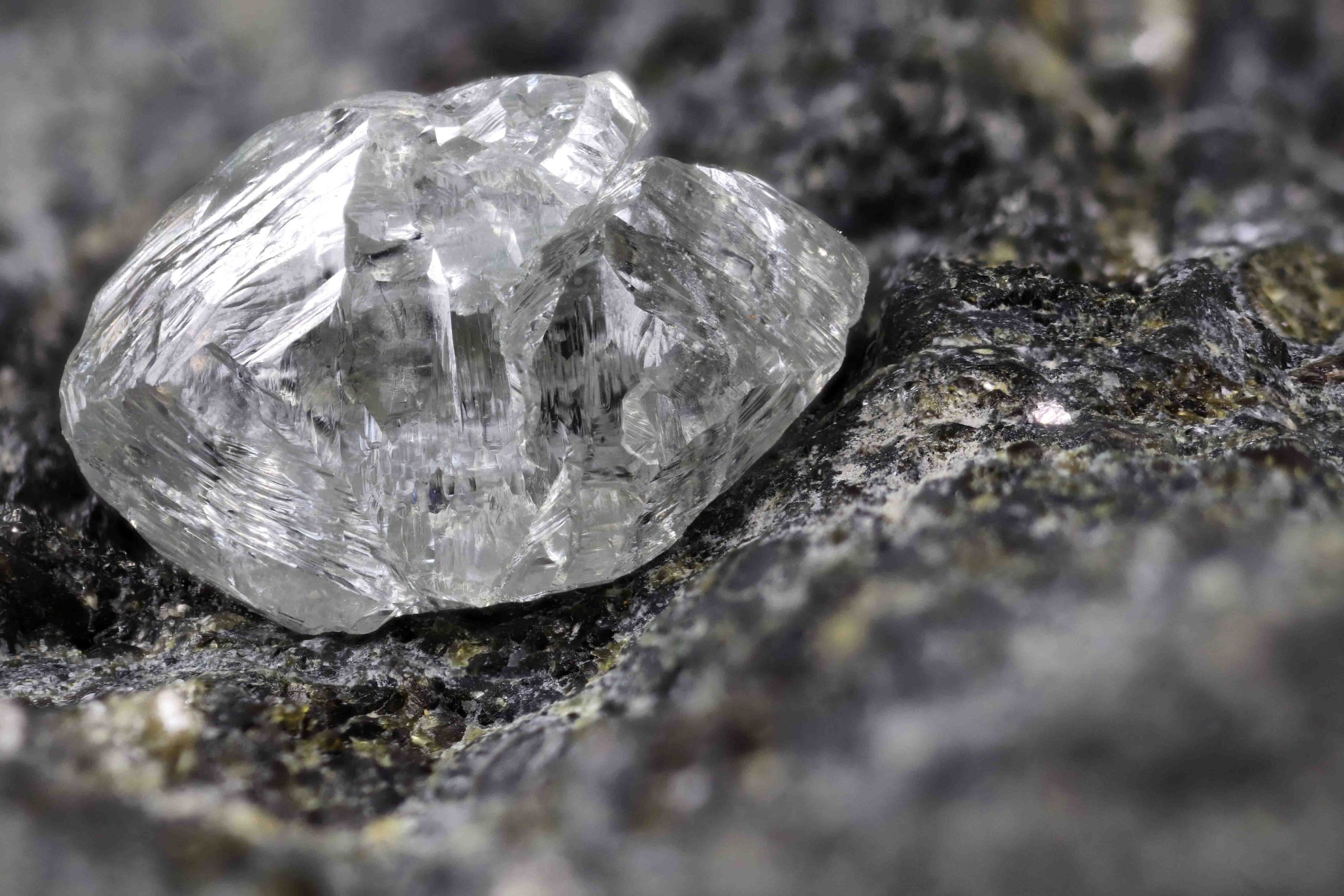
Ethical Diamonds You Can Trust
A conflict-free diamond is sourced without financing armed conflict. Modern buyers expect transparency and respect for human rights. At The Diamond Vault, our Scottsdale team is committed to responsible sourcing, trusted suppliers, and industry standards, so your diamond can reflect your values.
What Are Conflict Diamonds?
Conflict diamonds, sometimes called “blood diamonds,” are rough diamonds sold by rebel groups or their allies to finance armed conflict against legitimate governments. Their trade has been associated with human rights abuses and unethical labor. Conflicts in Sierra Leone and Angola prompted international attention and industry reforms regarding where diamonds come from.
The Kimberley Process Certification Scheme (KPCS)
Established in 2003 through cooperation among governments, NGOs, and industry, the Kimberley Process regulates international rough diamond trade. Export certification and national controls help exclude conflict diamonds.
Key protections include:
- Certified shipments only between participating countries
- Tamper-resistant packaging and uniquely numbered certificates
- Government records, monitoring, and compliance reviews
- Trade suspensions for serious noncompliance
These measures have significantly reduced conflict diamond circulation.

The System of Warranties (Post-Import Tracking)
The World Diamond Council’s System of Warranties extends accountability beyond importation. Business invoices carry written conflict-free assurances as diamonds move through suppliers, cutters, manufacturers, and retailers. Companies maintain records for verification.
Our team can provide detailed information about our sourcing policies and supplier warranties, so you can find safe diamonds and understand the standards behind them.
Are Diamonds Today Truly Conflict-Free?
Industry estimates place conflict-free diamonds above 99% of the market under the Kimberley Process definition. However, certification does not address every possible labor or environmental concern.
Not all African diamonds are conflict diamonds. Botswana, Namibia, and South Africa have established regulated fair trade diamond industries that support employment and local economies. Responsible sourcing considers both legitimate trade and the communities connected to mining.
The Diamond Vault’s Commitment to Ethical Sourcing
We offer conflict-free diamonds from trusted suppliers and prioritize documentation, transparency, and ethical trade. Our sourcing practices align with the Kimberley Process and System of Warranties.
We also offer GIA- and IGI-certified diamonds, providing independent quality assessments. These grading reports complement sourcing assurances but do not independently certify ethical origin.
Why Ethical Diamonds Matter to Buyers
Your diamond may represent love, commitment, or a meaningful celebration. Choosing responsibly sourced diamonds helps align that purchase with your values and supports legitimate diamond mining communities and fair labor practices. Ethical sourcing should be a standard expectation, not an added luxury.
Visit Our Scottsdale Showroom or Shop Online
Browse our conflict-free certified diamond selection online or visit our Scottsdale showroom. Our staff can explain sourcing, certification, and diamond quality to help you confidently create ethical rings, earrings, and more. Contact us to arrange a consultation.
Frequently Asked Questions
How can I be sure a diamond is conflict-free?
Whenever a diamond changes hands, it must be accompanied by a diamond warranty confirming its origin. When shopping, ask your jeweler about supplier warranties, sourcing policies, and available documentation.
Are diamonds ethical and conflict-free in general?
No. Industry safeguards and diamond laws have greatly reduced conflict diamonds, but risks remain. Responsible jewelry shoppers should always ask about diamond origin and related paperwork.
Is the Kimberley Process reliable?
It provides important protections and creates a basis for diamond rules, but its definition and scope have limitations. It does not track diamonds individually, so choosing a jeweler who can provide diamond history paperwork helps ensure an ethical jewelry purchase.
Does The Diamond Vault guarantee ethical sourcing?
Yes. Our conflict-free guarantee stems from our commitment to ethical sourcing through trusted suppliers and responsible trade practices.